
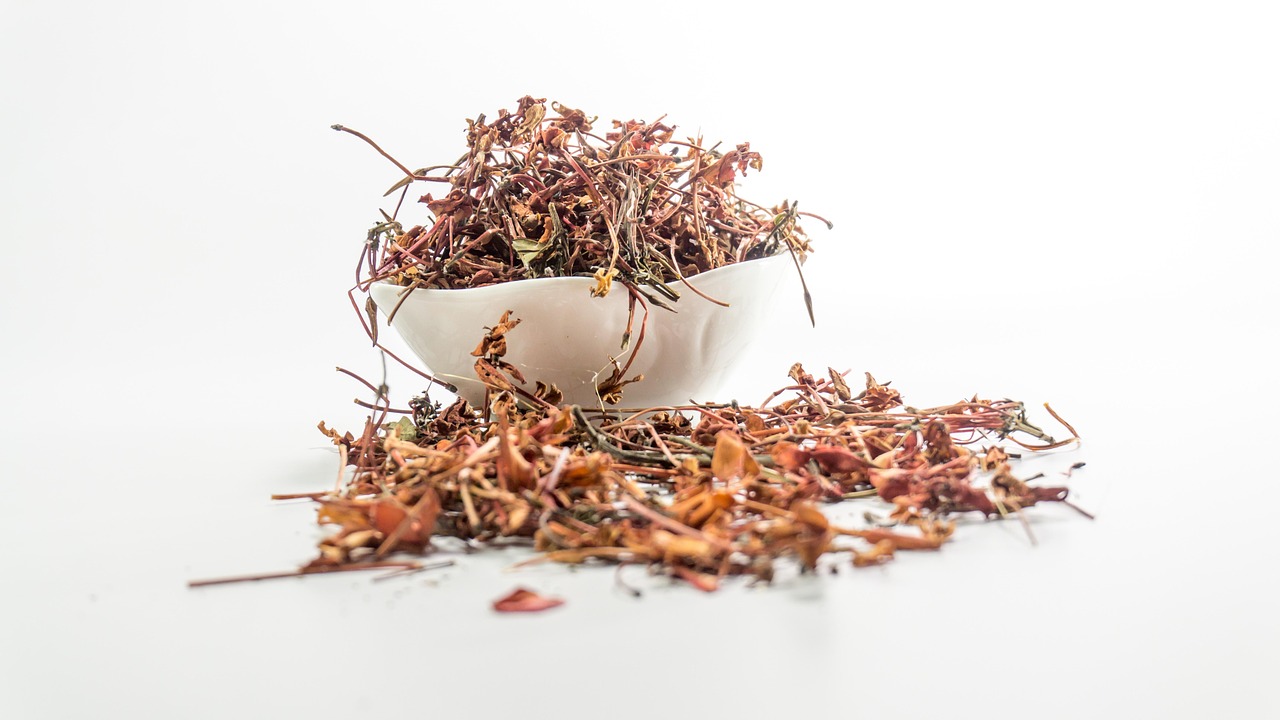
Exploring Ancient Egyptian Remedies: Natural Healing Secrets Unveiled
Ancient Egyptian civilization has always fascinated us with its incredible innovations, remarkable pyramids, and mystifying mummies. But there’s another aspect of their culture that’s gradually coming to light: their advances in medicine and natural remedies. Exploring Ancient Egyptian remedies unveils secrets of natural healing that were employed thousands of years ago yet continue to be relevant today.
Introduction to Ancient Egyptian Natural Healing
The ancient Egyptians were pioneers in many fields, including medicine. They were far ahead of their time, utilizing herbs and minerals to craft remedies that not only healed physical ailments but also promoted holistic wellness. The Ebers Papyrus, an ancient Egyptian medical document dated around 1550 BC, contains over 700 remedies and magical formulas. This ancient treasure trove provides knowledge on how Egyptians tackled diseases and infections, managed pain, and even incorporated spiritual healing practices.
As we dig deeper into Exploring Ancient Egyptian Remedies: Natural Healing Secrets Unveiled, we find a synergy of nature and spirituality that formed the bedrock of their approach to healthcare.
Key Ingredients in Ancient Egyptian Remedies
-
Honey: Revered not just as a food but as a potent medicinal tool, honey was used for its antibacterial properties that helped heal wounds. It was often used as a natural ointment to prevent infections and to treat skin and eye diseases.
-
Garlic: Known for its immune-boosting properties, garlic was a common prescription for enhancing vitality and treating heart ailments. The ancient Egyptians recognized garlic for its effectiveness in treating a variety of conditions, from respiratory issues to parasites.
-
Aloe Vera: The ancient Egyptians called aloe vera the “plant of immortality,” and it was used to treat burns, infections, and skin conditions. This succulent plant was also a primary ingredient in the embalming process, thanks to its ability to preserve tissues.
-
Cumin: Egyptians used cumin not only as a spice but also for its digestive properties. It was employed to calm stomach pains and as an antiseptic in treating wounds.
-
Frankincense: Often burned in religious rituals, frankincense was also valued for its anti-inflammatory properties. It was commonly prescribed for its calming effects and ability to ease symptoms of arthritis and other inflammatory diseases.
Techniques and Applications
Exploring Ancient Egyptian Remedies: Natural Healing Secrets Unveiled also involves understanding their application techniques. For instance, treatments were not limited to oral consumption but included topical applications and inhalations. They famously used papyrus to create bandages smeared with medicinal herbs to treat wounds, showcasing a multidimensional approach to therapy which integrated environment-friendly materials.
Moreover, spiritual chants and prayers often accompanied the administration of remedies, reflecting a holistic approach to healing that addressed the mind, body, and spirit.
Modern Relevance of Ancient Egyptian Remedies
The wisdom encapsulated in ancient Egyptian practices has transcended centuries, influencing modern herbalism and alternative medicine. Today, we still use many of the same ingredients, such as honey for its wound-healing properties and garlic for its immune-supporting benefits. The concept of holistic healing advocated by the Egyptians is also gaining traction in the contemporary wellness landscape, promoting a balanced approach to health that includes physical, emotional, and spiritual well-being.
FAQs on Exploring Ancient Egyptian Remedies
-
Q: Are these ancient remedies safe to use today?
A: While many ingredients used in ancient Egyptian remedies are still common in modern-day herbalism, it’s crucial to consult with a healthcare provider before trying any new treatment, especially those that involve herbs and minerals. -
Q: How did the ancient Egyptians learn so much about medicine?
A: The ancient Egyptians had a well-organized system of physicians and healthcare. Knowledge was often passed down through generations and documented in medical papyri, which served as educational tools for future practitioners. -
Q: Can modern science corroborate the effectiveness of these remedies?
A: Many studies have looked into the properties of traditional ingredients like honey, garlic, and aloe vera, often finding scientific backing for their medicinal properties. However, the effectiveness of some ancient remedies remains a subject for ongoing research.
Conclusion: The Legacy of Ancient Egyptian Healing
Exploring Ancient Egyptian Remedies: Natural Healing Secrets Unveiled reveals not only a treasure trove of natural cures but also illustrates the advanced understanding of health and wellness in ancient civilizations. Their holistic approach, profound respect for nature, and intricate knowledge of medicinal plants continue to influence modern medicine, reminding us that sometimes, looking back is the best way to move forward.
As we embrace the resurgence of natural remedies and holistic health, the ancient Egyptians’ legacy offers valuable insights and enduring wisdom to guide us in our journey towards a balanced and healthy lifestyle. Through exploring these age-old secrets, we connect with the past and empower our future, one remedy at a time.