
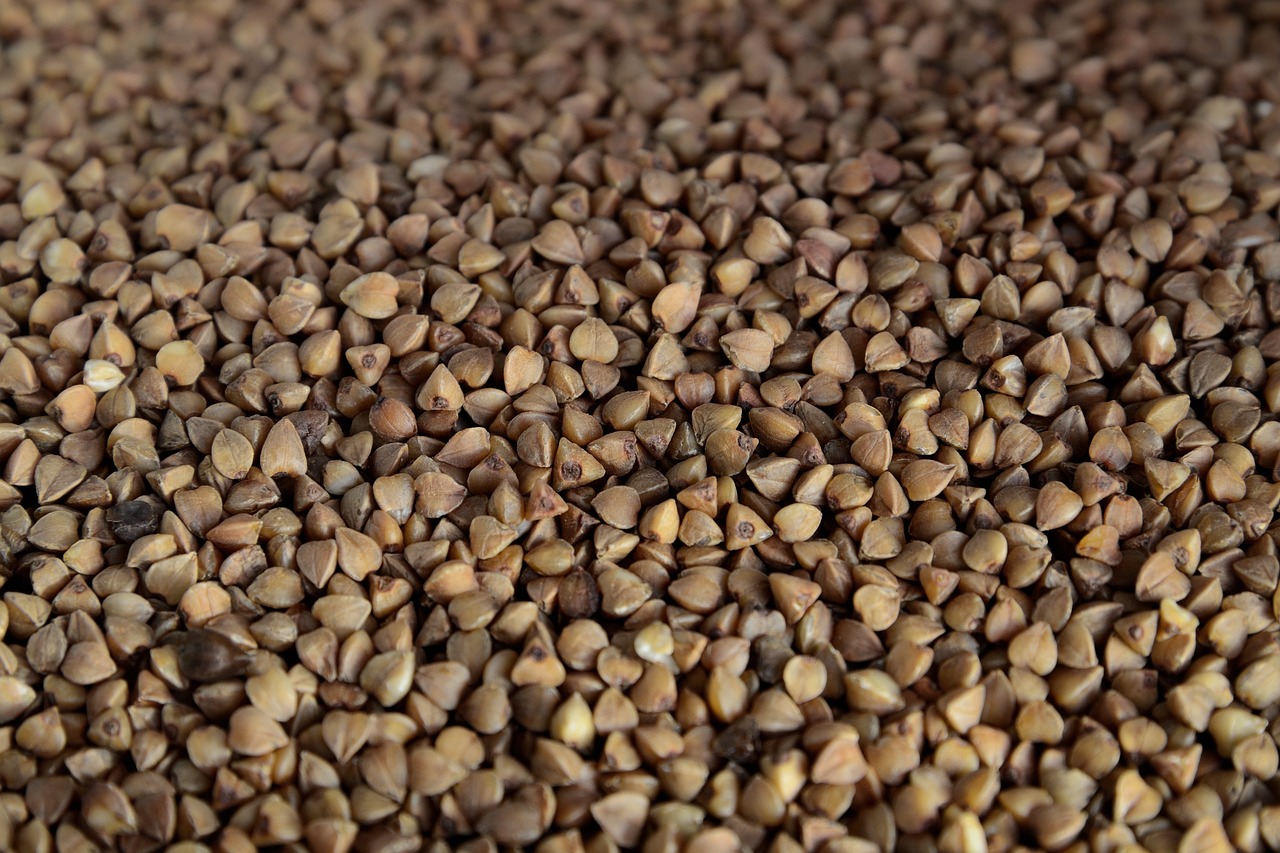
Unlock the Nutritional Power of Ancient Grains: Exploring Their Timeless Health Benefits
In our fast-moving modern lives, there’s a growing trend toward embracing the wisdom of ancient, wholesome grains. As people seek to elevate their diets and support overall health, the appeal of these time-tested staples has never been stronger. Grown for millennia, ancient grains are rich in essential nutrients often missing from contemporary eating habits, offering a blend of history and nourishment in every bite.
What are Ancient Grains?
Ancient grains are cereals that have been grown and eaten for thousands of years, largely unchanged by modern agriculture. Unlike more common grains like refined wheat and corn, these grains including quinoa, millet, teff, amaranth, spelt, and farro have been less modified over the years and are typically grown in smaller quantities. They are revered not only for their minimal processing but also for their nutritional profiles.
The Nutritional Advantages of Ancient Grains
One major reason to unlock the nutritional power of ancient grains is their impressive nutrient content. Ancient grains are generally richer in vitamins, minerals, fiber, and protein compared to more processed grains. For instance, quinoa is widely known for being a complete protein, which means it contains all nine essential amino acids necessary for human health. Similarly, teff is high in calcium, which is crucial for bone health. Amaranth is packed with iron and magnesium, and millet is rich in B vitamins.
Dietary Fiber: A Key Benefit
A standout reason to incorporate ancient grains into your diet is their high dietary fiber content. Fiber is essential for maintaining a healthy digestive system, can help to lower cholesterol levels, and plays a role in regulating blood sugar levels. This makes ancient grains an excellent dietary choice for those looking to manage diabetes, weight, or heart health.
Gluten-Free Options
For those with celiac disease or gluten sensitivity, exploring the nutritional power of ancient grains offers excellent opportunities, since many of these grains are naturally gluten-free. This includes grains like quinoa, amaranth, and teff, offering a nourishing alternative to traditional gluten-containing grains.
The Environmental Impact and Sustainability
Another compelling reason to switch to ancient grains is their environmental footprint. These crops are often more resistant to pests and diseases, reducing the need for chemicals. Additionally, because many ancient grains are adapted to diverse and harsh environments, they typically require less water, making them a more sustainable choice than many modern grains.
How to Incorporate Ancient Grains into Your Diet
Adding ancient grains to your diet is easier than you might think. Here are simple ways to start:
- Breakfast: Begin your day with a warm bowl of amaranth porridge or millet-based cereal.
- Breads and Pastas: Look for bread, pasta, and other baked goods made with spelt or teff.
- Salads and Bowls: Use quinoa or farro as a base for nutrient-packed salads and bowls.
- Snacks: Enjoy snacks like granola bars made with ancient grains for an energy boost during the day.
FAQs
Q1: Are ancient grains better than modern grains?
Yes, ancient grains often offer more nutrients, including antioxidants, vitamins, and minerals, than refined grain counterparts. They provide varied flavors and textures, adding diversity to your diet.
Q2: Can ancient grains help with weight management?
Absolutely. The high fiber content in ancient grains can help you feel fuller longer, potentially aiding in weight control.
Q3: Are there easy recipes using ancient grains?
Yes, there are numerous easy recipes ranging from morning cereals to hearty dinners that incorporate ancient grains. They are versatile and can often be used as substitutes in your favorite dishes.
Conclusion
Unlocking the nutritional power of ancient grains can lead to a healthier, more varied diet. These grains deliver substantial health benefits, from high protein content and vital nutrients to being inherently gluten-free. By incorporating ancient grains into your daily meals, you not only enrich your diet but also contribute to a more sustainable agricultural system. As we reconnect with the traditions of the past, the journey to better health through ancient grains seems not only promising but also gratifying.
Invite these treasures of antiquity onto your plate and rediscover their timeless nutritional benefits. Your body—and the planet—will thank you.